


Jan 26, 2026
Top 6 Myths About Clear Aligners, Busted! What You Really Need to Know
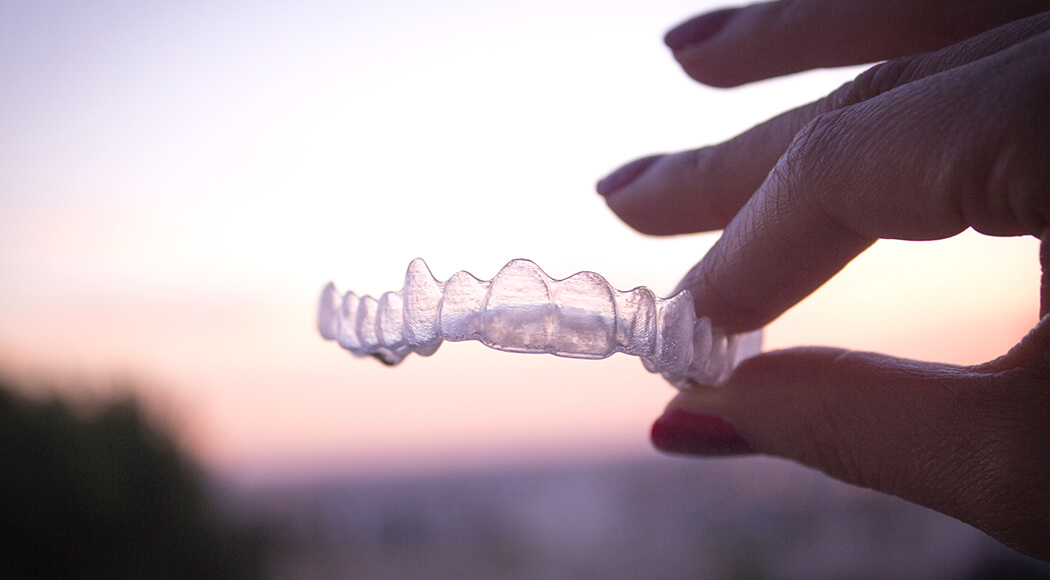
Thinking about straightening your teeth but stuck on the fence because of something you heard on TikTok or from a friend of a friend? You are not alone. Clear aligners, including Invisalign®, Spark and Angel Aligners, attract plenty of buzz and a fair few myths.
As a specialist-led clinic in Canberra, we hear these questions every day. Our Specialist Orthodontists are here to give you clear, practical answers so you can make a confident choice for your smile.
Below, we bust the six biggest myths about clear aligners, covering comfort, speed, lifestyle, effectiveness, eligibility and costs. Consider this your pocket guide to what really matters.
Myth 1: Clear Aligners Are Painful
Short answer: mostly no. Expect pressure, not pain. When a new set of trays goes in, your teeth are being nudged into a better position. That creates a sensation of tightness, not the sharp ache many people fear.
What you will feel
A gentle, temporary pressure that peaks within the first 24 to 72 hours of a new tray. Some patients notice mild tenderness when biting down during this window. After that, the feeling fades as your teeth settle into the new position.
Why it happens
Each tray is designed to make small, controlled movements. The pressure signals that the aligner is doing its job, shifting teeth incrementally toward their target.
What helps
- Switch to a new set of trays at night so the initial tightness eases while you sleep
- Use chewies (small foam rollers) to seat aligners properly and reduce pressure spots
- Stick to softer foods for the first day or two if your teeth feel sensitive
Myth 2: Aligners Are Always Faster Than Braces
Sometimes aligners are faster, sometimes braces win. Speed depends on the type of movement your teeth need and how disciplined you are with wear time.
Mild crowding or spacing
Aligners are often highly efficient for straightforward cases. Mild to moderate crowding or gap closure can move quickly when you wear trays the recommended 20 to 22 hours a day.
Rotations, bite corrections or complex movements
Complex rotations, deep bites or significant jaw discrepancies can sometimes be tackled more efficiently with braces, which apply constant force around the clock without relying on patient compliance.
Your habits matter
Aligners only work when they are in your mouth. If you consistently fall short of the 20 to 22 hour daily target, treatment will slow down. With braces, the appliance is always active.
Your Specialist Orthodontist will recommend the option most likely to be efficient for your specific case.
Myth 3: Aligners Are Less Effective Than Braces
Not true when the case is well selected. Modern aligner systems, paired with specialist planning, can treat a wide range of orthodontic issues effectively:
- Crowding and spacing
- Selected crossbites
- Open bites
- Mild to moderate bite discrepancies
For more complex cases, traditional braces may still be the better tool, or your orthodontist may recommend a combination approach. The key is that your Specialist Orthodontist matches the right tool to your teeth, not the other way around.
Myth 4: Anyone Can Get Aligners With No Prerequisites
Aligners are versatile, but they are not for everyone without proper assessment. Before starting, your orthodontist will check several factors:
Healthy teeth and gums
Active gum disease or untreated decay should be managed first. Healthy foundations mean better, more predictable results.
Compliance
You need to commit to wearing trays 20 to 22 hours a day and keeping them clean. If that sounds challenging, braces might be a more reliable path.
Case type
Not every orthodontic issue responds equally well to aligners. Severe skeletal discrepancies, for example, may need a different approach or combined treatment.
Age considerations
Teens can absolutely use aligners, but younger patients still developing teeth and jaws may need a different plan. Your orthodontist will advise on timing.
At Smile Clinics, we use iTero 3D scans at your free assessment to map your teeth precisely and determine whether aligners are a good fit for your specific situation.
Myth 5: Aligners Will Disrupt Your Lifestyle
Most patients are surprised by how little impact aligners have on daily life. Here is what to expect:
Eating and drinking
Remove your trays before meals and snacks. There are no food restrictions, unlike braces where sticky or hard foods can cause bracket damage.
Cleaning
Brush and floss normally after eating, rinse your trays, pop them back in. The whole routine takes a couple of minutes.
Work, school and sport
Aligners are nearly invisible, so most people will not notice them. You can speak, present and socialise without feeling self-conscious. For contact sports, you remove aligners and wear a regular mouthguard.
Appointments
Remote monitoring through apps like Dental Monitoring means fewer in-clinic visits. Send progress photos from home and your specialist keeps track of your treatment without disrupting your schedule.
Myth 6: Aligners Always Cost More Than Braces
Not necessarily. The cost of orthodontic treatment depends on the complexity of your case, not just the type of appliance. At Smile Clinics we offer transparent pricing so you know exactly what you are paying for, with no hidden fees.
We also provide interest-free payment plans to make treatment accessible. Many patients find that aligners and braces end up in a similar price bracket once you factor in specialist care, digital records, retainers and follow-up.
What To Expect With Invisalign®, Spark Or Angel Aligners
Personalised planning
Your Specialist Orthodontist designs a staged plan for tooth movement and bite goals, reviewing a digital setup for accuracy.
Attachments and elastics
Small, tooth-coloured attachments and elastics may be used to guide movement.
Wear schedule
Most patients change trays weekly or fortnightly, wearing aligners 20 to 22 hours per day.
Refinements
Additional aligners are common for fine-tuning and are included in many plans.
Retainers
After treatment, retainers hold your new smile while bone and gums stabilise.
How To Choose Between Aligners And Braces
The right choice depends on your teeth, your lifestyle and your goals. Here is a quick guide:
- Choose aligners if you want a discreet, removable option, value the flexibility to eat without restrictions and prefer fewer in-person visits with remote monitoring.
- Choose braces if you want a fixed appliance that works around the clock without relying on daily compliance, or if your case involves complex movements your specialist recommends braces for.
- Consider a combination if your orthodontist suggests starting with one and finishing with the other for the best result.
- Ask your Specialist Orthodontist for a personalised recommendation at your free assessment. The best appliance is the one that matches your clinical needs and fits your life.
The Bottom Line
- Clear aligners are comfortable, effective and fit into everyday life more easily than most people expect.
- They are not always faster or cheaper than braces, but they are not always slower or more expensive either. It depends on your case.
- Proper assessment by a Specialist Orthodontist is the key to getting the right treatment, whether that is aligners, braces or a combination.
- Myths spread fast, but evidence-based advice from a qualified specialist will always serve you better than internet chatter.